
Biochar as a Reductant: Emissions and Metallurgy
Discover how biochar serves as a sustainable reductant in metallurgy, cutting emissions, lowering costs & ensuring compliance. Guide to applications, LCAs & decarbonization playbook.
SUSTAINABLE METALS & RECYCLING INNOVATIONS
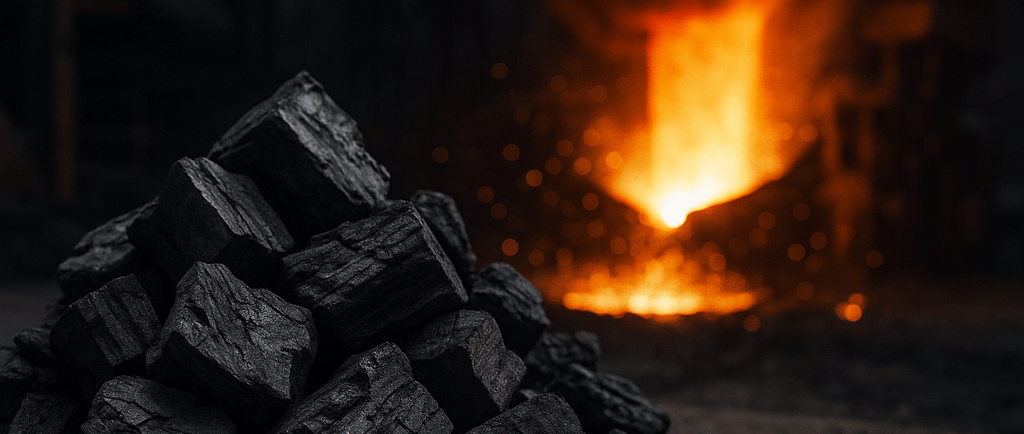
Unlocking Decarbonization in Metallurgy through Biochar
The decarbonization spotlight burns brightest on steel and metals manufacturing—cornerstones of progress that remain significant sources of global carbon emissions. As worldwide regulations tighten and stakeholders, investors, and entire industries intensify scrutiny of sustainability claims, the race is on for innovative solutions. This is especially true for operations grappling with Scope 1 emissions from direct activities and Scope 3 emissions across extended supply chains. Among emerging technologies, the use of biochar as a reductant in metallurgical operations is gaining traction. But how does this solution stack up against established fossil reductants on cost, compliance, risk, and measurable impact?
This expanded guide details how biochar functions in metallurgical reactions, decodes its cradle-to-gate emissions profile using comprehensive Life Cycle Assessments (LCAs), and delivers strategic, actionable advice for industrial decarbonization leaders. We’ll also explore real-world case studies, break down future trends, and examine how biochar’s adoption can help organizations establish an auditable edge in environmental compliance.
What is Biochar—and Why Should Metallurgists Care?
Biochar is created via pyrolysis—a controlled thermal decomposition of biomass in an oxygen-free environment. The resulting substance is a porous, carbon-rich solid that can be generated from a diverse range of feedstocks, including forestry residues, agricultural waste, and in some cases, organic municipal fractions. Historically lauded for its soil-enhancing and carbon sequestration abilities, biochar is now at the heart of clean technology innovations across agricultural, waste management, and—critically—metallurgical sectors.
What Makes Biochar Relevant to Metallurgy?
At its core, the steel and metals sectors are reliant on robust reductants—agents that remove oxygen from metal oxides (ores), yielding pure metals. Coal and coke have long filled this role, but their combustion and chemical reactions release immense volumes of fossil carbon in the form of CO₂, directly driving up greenhouse gas (GHG) inventories for businesses and entire economies. Biochar’s high carbon content effectively mimics the reactive qualities of coke while offering the potential for dramatically lower net-emissions if the feedstock and production process are managed sustainably.
For metallurgists, the relevance of biochar is twofold:
Process Compatibility: Biochar physically and chemically mirrors many critical attributes of traditional reductants, making it feasible for substitution in established metallurgical reactors.
Sustainability Impact: When manufactured and sourced correctly, biochar offers a renewable, circular pathway for metal production—aligning plants and furnaces with rising ESG and regulatory demands.
Case in Point:
A European steel manufacturer piloting biochar in its blast furnaces found not only emissions reductions but improvements in slag quality and a reduction in the volume of solid waste—a win-win for environmental compliance and operational efficiency.
Key Insight:
Adopting biochar is more than a green gesture—it is a tangible lever for optimizing process efficiency, bolstering sustainability metrics, and securing early-mover advantages in an eco-conscious market.
How Biochar Functions as a Reductant in Metallurgy
To fully appreciate biochar’s potential, it’s important to dissect the attributes that make it a capable, and in some ways superior, substitute for coal and coke in metalmaking.
The Chemistry: Biochar vs. Fossil Reductants
Biochar’s effectiveness as a reductant in metallurgical contexts stems from several laboratory and industrially validated properties:
High Fixed Carbon Content: Key to spontaneous reduction reactions, especially in the reduction of metal oxides (like hematite or magnetite) to pure iron (Fe) or alloys.
Homogeneous Pore Structure: Modern pyrolysis techniques can tailor pore size and distribution, impacting reactivity and burn rate—a critical consideration for process engineers.
Lower Sulfur and Nitrogen Content: Compared to coal, biochar typically has far lower levels of sulfur and other contaminants, which translates into purer end-products and reduced atmospheric pollutants such as SO₂ and NOₓ.
Ash Characteristics: Typically, biochar’s ash belongs to an alkaline group, which may interact beneficially with slag chemistry in many smelting operations.
Real-World Performance Data
Research from the RWTH Aachen University’s Metallurgy Institute demonstrated that substituting up to 30% of pulverized coal injection (PCI) with optimized biochar in a blast furnace operation led to a measurable decrease in CO₂ emissions and improved overall energy efficiency. Operators noted a modest increase in reactivity, making process control adjustments relatively manageable.
Metallurgical Applications
Let’s examine the spectrum of metallurgical systems where biochar is making inroads:
Blast Furnaces (BF):
Here, biochar can partially substitute for pulverized coal injection (PCI), directly decreasing the fossil carbon intensity of pig iron production. Ongoing trials suggest biochar blends as high as 40% can be tolerated without process disruptions, provided particle size and distribution are optimized.Electric Arc Furnaces (EAF):
In EAFs—particularly for recycling scrap steel—biochar serves as a charge carbon or as a foaming agent to stabilize the molten bath. Its low sulfur content is particularly valued for producing high-quality, specialty steels.Ferroalloy Production:
Substitution of coke with biochar is technically feasible in the smelting of silicon, manganese, chromium, and other ferroalloys. Industrial pilots in Norway and Brazil have underscored not only CO₂ reductions but also improvements in alloy chemistry thanks to lower contamination profiles.Direct Reduced Iron (DRI):
For rotary kiln and shaft furnace DRI operations, biochar is blended with pellets or fines, supporting sustainable hydrogen-based DRI strategies under development globally.
Critical Operational Considerations
Adoption of biochar is not “plug-and-play.” Success hinges on several technical and logistical factors:
Feedstock Consistency: The carbon content, ash composition, mechanical strength, and reactivity of biochar can vary considerably based on the type, moisture content, and mineral makeup of input biomass. Process engineers must specify and qualify suppliers meticulously.
Feed Handing and Storage: Unlike dense, hard coke, biochar is lighter, more friable, and sensitive to atmospheric moisture. Specialized handling and storage protocols are often required.
Process Tuning: Biochar’s unique properties (higher porosity, volatility) influence combustion kinetics and reaction rates. Operators must fine-tune furnace temperature profiles, airflow rates, and injection velocities for stable performance.
Supply Chain Logistics: Proximity of sustainable biomass sources to the production site directly affects both emissions and costs linked to biochar’s cradle-to-gate profile.
Expert Tip:
Weighting the total cost of ownership against emissions reductions—and factoring in the potential to monetize carbon credits—can dramatically shift the ROI equation in favor of biochar, especially when factoring likely future carbon prices and compliance costs.
Part 2: Emissions, Life Cycle Assessments, and the Decarbonization Playbook
Emissions and Life Cycle Assessments: Quantifying Biochar’s Edge
Why emissions accounting matters now
Iron and steel account for roughly 7 to 9 percent of global energy and process related CO₂ emissions, or about 2.8 to 3.6 billion tonnes of CO₂ each year. On average, producing one tonne of steel still releases around 1.8 to 1.9 tonnes of CO₂, with integrated blast furnace–basic oxygen routes sitting at the high end of that range. IEA+3Wikipedia+3IRENA+3
Most of those emissions come from one fact: coal and coke act as both heat source and chemical reductant. If you work in ironmaking or ferroalloys, your reductant selection is one of the most direct levers you have on Scope 1 emissions.
Biochar promises lower net emissions, but that only matters if you can prove it. That is where Life Cycle Assessment steps in.
How to structure an LCA for reductants
A serious LCA for biochar as a metallurgical reductant needs clear answers to four questions:
What is the functional unit?
Most plant teams use one of these:
1 tonne of hot metal (tHM)
1 tonne of crude steel
1 tonne of product (for ferroalloys, silicon, manganese, chromium)
For reductant comparison, you can also use 1 tonne of “reductant delivered to the plant gate” as a supporting metric.
What are the system boundaries?
Cradle to gate for reductants:
Biomass growth and harvest (or residue collection)
Chipping, drying, and pre-treatment
Transport to the pyrolysis plant
Pyrolysis itself (heat, electricity, auxiliaries)
Post-processing (crushing, sizing, packaging)
Transport to the steel or ferroalloy plant
Gate to gate for the plant:
Charging, injection, and combustion of reductants in BF, EAF, or smelter
Process gas handling and possible energy recovery
Gate to grave:
For metallurgical reductants, nearly all carbon ends up as CO₂, CO, or off-gas. You do not get long term soil sequestration here, so you cannot claim the same carbon removal benefits as agricultural biochar.
How do you treat biogenic CO₂?
Fossil carbon from coal and coke is counted as a net addition to the atmosphere.
Biogenic CO₂ from biochar is counted as climate neutral under most standards, provided biomass use does not drive land-use change, deforestation, or other upstream emissions. ScienceDirect+1
Supply chain emissions for biochar (diesel, electricity, auxiliary fuels) are still counted and often dominate the positive side of its footprint.
Which allocation rules do you use for co-products?
Modern pyrolysis plants may produce heat, electricity, and bio-oil alongside biochar.
You can allocate impacts by energy content, economic value, or physical mass.
The choice can swing the result by hundreds of kilograms of CO₂ per tonne of biochar, so it must be declared and consistent.
Once you define these, you can place biochar head to head with coal and coke using credible numbers.
Typical emission factors: coal, coke, and biochar
Coking coal and coke
Combustion of coking coal typically releases around 2.6 to 2.7 tonnes of CO₂ per tonne of coal. Climatiq
In blast furnace practice, total emissions associated with coke can reach about 3.3 kilograms of CO₂ per kilogram of coke consumed when you combine direct and upstream effects. ScienceDirect
A conventional integrated steel plant can consume around 480 to 500 kilograms of coking coal per tonne of crude steel in classic flowsheets, which makes coal and coke the single largest emission source in the value chain. MDPI+1
Biochar
Because biochar is produced through many different technologies and feedstocks, there is no single number. Still, consistent ranges emerge in recent LCAs and certification schemes:
Supply chain emissions for biochar production, excluding long term storage effects, often fall in the range of 50 to 700 kilograms of CO₂ equivalent per tonne of biochar. Electricity mix and plant design drive most of this spread. Climate Action+2MDPI+2
Several certified plants in Europe report cradle to gate footprints close to 10 to 50 kilograms of CO₂ equivalent per tonne of biochar under efficient operation with moderate electricity emissions. European Biochar+1
When biochar is used as a long term carbon sink in soils or building materials, one tonne of product can lock away roughly 2.5 to 3 tonnes of CO₂ equivalent for centuries, after subtracting supply chain emissions. MDPI+3SUEZ+3Novocarbo+3
For metallurgical use, that last point is important but indirect. You do not store carbon permanently; you recycle biogenic carbon through the furnace. The climate benefit comes from avoiding fossil emissions rather than from long term removal.
What this means at furnace level
Consider a simplified illustration for a blast furnace that currently relies on coke and pulverized coal injection (PCI):
Coke rate: 300 kilograms per tonne hot metal
PCI rate: 150 kilograms per tonne hot metal
Emission factor for coke: 3.3 kilograms CO₂ per kilogram
Emission factor for PCI coal: 2.7 kilograms CO₂ per kilogram
Coke related emissions
300 kg × 3.3 kg CO₂/kg = 990 kg CO₂ per tonne hot metal
PCI related emissions
150 kg × 2.7 kg CO₂/kg = 405 kg CO₂ per tonne hot metal
Total from these two sources
≈ 1.4 tonnes CO₂ per tonne hot metal
Now introduce biochar in the PCI position.
Scenario A: 20 percent biochar substitution in PCI by mass
PCI coal: 120 kilograms per tonne hot metal
Biochar: 30 kilograms per tonne hot metal
PCI coal emissions
120 kg × 2.7 = 324 kg CO₂
Biochar supply chain emissions
Use a conservative 400 kilograms CO₂ equivalent per tonne of biochar (midpoint of typical ranges). Climate Action+1
30 kg biochar × 0.4 kg CO₂/kg = 12 kg CO₂ equivalent
Total for PCI position
≈ 336 kg CO₂ equivalent, instead of 405 kg
Net reduction in this position
≈ 70 kg CO₂ per tonne hot metal
If the plant later increases substitution to 40 percent by mass and invests in low carbon power for the pyrolysis plant, those savings can climb into the range of 150 to 250 kilograms of CO₂ per tonne hot metal, based on several modelling studies and pilot trials using biomass derived chars in PCI roles. jernkontoret.se+3ResearchGate+3ScienceDirect+3
Scenario B: Biochar in ferroalloys and specialty metals
Recent LCA work on biocarbon use in ferromanganese production found that replacing fossil coke with biocarbon and adding carbon capture can cut cradle to gate climate impacts by more than half, depending on regional electricity and biomass sourcing. ScienceDirect
Other studies reviewing lignocellulosic biomass products in iron and steel confirm that biogenic reductants can achieve 10 to 40 percent CO₂ reductions at process level when introduced carefully into agglomeration, blast furnace, and smelting steps. MDPI+2PMC+2
The bottom line: even modest substitution levels combined with realistic supply chain assumptions generate meaningful reductions per tonne of product. Scaling to millions of tonnes per year of output, those savings add up quickly.
Biochar in the wider negative emissions picture
Globally, the potential for biochar across all sectors is significant:
Studies suggest that converting around 3 gigatonnes of biomass to biochar each year could avoid or remove around 2.7 to 2.8 gigatonnes of CO₂ annually through a mix of storage and displacement of fossil fuels. ScienceDirect+2MDPI+2
Another recent assessment estimates a negative emission potential near 0.9 gigatonnes of CO₂ per year for biochar at average costs around 90 USD per tonne of CO₂ removed, if deployed at scale with credible standards. Nature
Metallurgical uses will only capture a slice of that, but they sit in a strategic position. Steel, ferroalloys, and related metals already face strong policy pressure and can pay for higher integrity solutions if the performance case is solid.
How to run an LCA project for biochar in your plant
A credible LCA effort that supports biochar adoption usually follows these steps:
Baseline your current reductant profile
Map coal, coke, PCI, natural gas, and other reductants by route (BF, EAF, DRI, ferroalloys).
Use standard emission factors for combustion and upstream mining, plus plant specific data where available. IPCC NGGIP+2JRC Publications+2Shortlist biochar options
Prioritize suppliers who can:
Trace biomass feedstock back to region and type.
Provide plant level LCA reports, preferably third party reviewed.
Meet your mechanical and chemical specs.Build comparative LCAs
Compare “1 tonne hot metal” or “1 tonne alloy” across three configurations:
Base case: all fossil reductants.
Blend case: 10 to 30 percent biochar share.
Ambitious case: 40 percent or more where technically feasible.
Keep electricity mix and transport distances realistic for your geography.Validate with pilots and measurements
Run trials in controlled campaigns.
Measure: fuel rates, off-gas composition, slag chemistry, product quality, and any extra energy use.
Feed these data back into your LCA model rather than relying solely on literature values.Prepare for third party review
If you plan to use results in CBAM, ETS, or customer disclosures, move early toward ISO-aligned LCA with external review to reduce disputes later.
Decarbonization Playbook: Cost, Risk, and Compliance
Once you understand the emissions story, you still need a practical path to decisions. Boards and plant managers care about three things: cost, risk, and compliance. Biochar must fit across all three.
Cost: moving from simple fuel price to total cost
On a pure fuel basis, biochar often looks expensive. Industrial pyrolysis plants can require capital outlays in the multi-million range, and feedstocks compete with other sectors. Reuters+2SINTEF Blog+2
To make a fair comparison, you have to widen the lens.
Carbon cost
Use a simple example.
Fossil PCI coal: 2.7 tonnes CO₂ per tonne coal
Assume a carbon price of 80 EUR per tonne CO₂ (similar to recent EU ETS levels, noting their volatility)
Carbon cost per tonne of PCI coal: 2.7 × 80 = 216 EUR
If biochar has near zero net counted emissions at the plant boundary, its higher purchase price can be offset by avoided allowance purchases. At 100 EUR per tonne CO₂, fossil reductants carry an additional shadow cost of 270 EUR per tonne coal, which often exceeds realistic price spreads between coal and high quality biochar in European conditions, especially when producers benefit from revenue streams such as carbon removal credits and waste treatment fees. Reuters+4IEA+4JRC Publications+4
Compliance and border costs
For exporters into the European Union, the Carbon Border Adjustment Mechanism (CBAM) began transitional reporting for iron, steel, and related products, with full financial impact ramping over the decade. CBAM charges reflect embedded emissions relative to a benchmark. Lowering the fossil share of your reductants reduces the number of CBAM certificates your customers or trading subsidiaries must buy. JRC Publications+2Climate Action+2
Co-benefits on product quality and OPEX
Biochar brings side benefits that have economic value even if you do not price them explicitly on day one:
Lower sulfur and nitrogen reduce desulfurization reagent use and may improve alloy quality, which can translate into better yields or higher selling prices in tight segments. PMC+2MDPI+2
In some trials, higher reactivity and better slag chemistry reduce energy consumption per tonne of product, or shorten tap-to-tap times. ScienceDirect+2ResearchGate+2
When you combine these effects with avoided carbon costs, the apparent premium on biochar narrows or disappears in many scenarios.
Risk: technical, commercial, and ESG
Biochar is not risk free. A credible playbook does not hide those risks; it manages them.
Technical risk
Key issues include:
Variability in feedstock and product: agricultural residues, forestry chips, and other biomass types produce chars with different ash content, alkali levels, and mechanical strength. If you do not control this, you risk slag problems, refractory wear, or poor permeability in packed beds. MDPI+2PMC+2
Handling and storage: biochar is lighter and more friable than coke. It can generate more dust and is more moisture sensitive. Storage design and handling practices must adjust.
Process stability: higher reactivity can change temperature profiles and gas flow in BFs, EAF foamy slag practice, or ferroalloy smelters. That needs tuning, not guesswork.
Mitigation steps:
Set strict technical specifications for fixed carbon, volatile matter, ash composition, bulk density, and particle size.
Start with low substitution ratios and ramp only after stable campaigns.
Use multi-week trials with detailed monitoring rather than one-off heat trials.
Maintain a minimum coke share in BFs to preserve coke bed strength and permeability, as recommended in several recent ironmaking studies. jernkontoret.se+1
Commercial risk
Supply risk: local biochar producers may be small and fragmented. Long term industrial offtake requires consistent volumes and quality.
Price risk: biomass prices and carbon credit markets fluctuate. Biochar producers often depend on both product sales and credit revenue to reach acceptable returns. Reuters+2SINTEF Blog+2
Counterparty risk: some credit offerings lack rigorous monitoring, reporting, and verification, which can damage your reputation if credits are later questioned.
Mitigation steps:
Diversify suppliers across regions and feedstocks.
Structure contracts with quality and volume guarantees, plus clear remedies.
Treat carbon removal credits as upside, not as the core of your financial case for reductant substitution in metallurgy.
ESG and reputational risk
Regulators and NGOs now scrutinize biomass use almost as closely as fossil fuels. Missteps include:
Sourcing wood from primary forests or high biodiversity areas.
Ignoring land use change and related emissions in LCAs.
Overclaiming carbon removal when biochar is burned rather than stored.
Mitigation steps:
Require certification schemes that include feedstock sustainability, such as regional forest standards or biochar specific labels that handle life cycle accounting. European Biochar+2Climate Action+2
Keep metallurgical biochar claims focused on fossil emission avoidance, not on long term storage.
Align your disclosures with conservative guidance from recognized bodies and third party reviewers.
Compliance: linking biochar to policy and reporting
Steel, ferroalloys, and other energy intensive metals sit at the center of climate policy. Biochar interacts with several strands at once.
Carbon pricing and ETS
In the EU, the iron and steel sector is one of the largest participants in the Emissions Trading System. The International Energy Agency projects that emissions intensity must fall by more than half by 2050 in credible climate scenarios, which implies a steep rise in effective carbon costs. IEA+2worldsteel.org+2
Replacing a portion of fossil reductants with biogenic ones lowers your verified emissions and your need for allowances. This effect can be measured and audited through your LCA work and plant monitoring.
CBAM and border measures
The EU CBAM already covers iron, steel, and certain ferroalloys. Future expansions may reach other metallurgical products. Embedded emissions will shape trade competitiveness, particularly for exporters in regions that still rely heavily on coal based blast furnaces. Reuters+3JRC Publications+3Reuters+3
Using biochar instead of part of your coal or coke intake helps lower the reported emissions per tonne of exported product. That can soften CBAM costs for buyers and improve your position in procurement tenders that factor carbon into total cost.
Corporate reporting and finance
New disclosure standards such as the EU’s CSRD and global ISSB rules require more detailed Scope 1, 2, and 3 reporting. Metals buyers now ask for product specific footprints and evidence for any claimed reductions.
Green and transition finance instruments for steel and metals are beginning to screen for credible, science aligned decarbonization plans. Biochar can appear as a near term lever in those plans, especially alongside scrap maximization, green DRI, and CCUS. NSW Resources+3worldsteel.org+3IEA+3
A practical decarbonization playbook for biochar
Plant teams do not need another slogan. They need a clear sequence of steps. One way to structure your biochar journey is as follows.
Step 1: Establish your emissions and reductant baseline
Map your value chain: BF, BOF, EAF, DRI, ferroalloy, non-ferrous smelting.
Quantify fuel and reductant use by route and unit.
Assign emissions using recognized factors and any plant level measurements.
Identify which units have the highest reductant related emissions per tonne of output.
Step 2: Screen biochar use cases and prioritize
For each process, ask three questions:
Can biochar replace part of the current reductant technically without breaching product or process limits?
Is there realistic access to sustainable biomass and biochar at the scale you need near your sites?
Does the combination of emissions benefit and policy context (ETS exposure, CBAM, customer demands) justify serious work?
In many companies, this first pass will highlight two to four high potential “entry points,” such as:
Biochar in PCI for one or two blast furnaces
Biochar as a foaming agent and charge carbon in EAFs producing higher grades
Biocarbon reductant blends in specific ferroalloy furnaces with strong export exposure
Step 3: Design technical and LCA pilots together
Rather than treating process trials and emissions studies as separate projects, design them together:
Set clear trial objectives: substitution rate, stable operation metrics, and target emission reductions per tonne of product.
Collect data that feed both operations and LCA: precise mass balances, off-gas composition, temperatures, energy use, and scrap or ore quality.
Use those data to update your cradle to gate comparisons for reductants and your per-tonne product footprints.
Step 4: Link results to compliance and finance
Once pilots show stable operation:
Update your ETS and CBAM projections with new emission factors.
Quantify avoided allowances or border charges under different carbon price scenarios.
Translate results into language that boards and banks understand:
Emissions reductions per year at planned scale-up
Estimated impact on cost per tonne of product
Position relative to sector benchmarks and climate roadmaps
This is where biochar moves from interesting technical idea to credible element of your transition plan.
Step 5: Scale through long term supply and standards
If the numbers and operations align:
Negotiate multi-year contracts with biochar suppliers that specify both technical quality and LCA performance.
Support suppliers in building larger plants through offtake agreements that reflect your schedule and expected volumes. Reuters+1
Work with recognized certification schemes for biochar and carbon removal so that your disclosures and any related credits meet high integrity expectations. European Biochar+2SUEZ+2
Looking ahead: where biochar fits in the wider metals transition
Biochar will not replace the entire coal and coke base of the global metals sector. Other routes such as green hydrogen DRI, near-zero EAF power, and new electrolysis technologies are already reshaping the long term picture. Reuters+1
Still, biochar has three unique advantages in the current decade:
It can plug into existing furnaces with moderate changes rather than full rebuilds.
It delivers measurable reductions in fossil emissions per tonne of output at substitution levels that plants can tolerate today.
It aligns with fast growing markets for high integrity carbon management, which improves the business case for industrial scale supply.
For metallurgists, plant managers, and decarbonization teams, the question is no longer “Is biochar relevant?”
The real questions are:
Where in your routes does it make the most technical and economic sense to start.
How quickly you can build credible LCAs and supply relationships.
How you will combine biochar with other levers so that your operations stay competitive in a world that expects cleaner metals and clearer numbers.
If Part 1 explained why biochar belongs in metallurgical conversations, Part 2 gives you the tools to measure, defend, and scale that choice in line with emissions targets, regula
Connect
Your trusted partner for scrap metal procurement.
CONTACT
About
haroon@tdcventures.com
+1-307-655-7593
© 2025. All rights reserved.
NEWSLETTER