
Biodegradable Lubes & Coolants: Performance Review
Performance review of biodegradable lubes & coolants: sustainable alternatives that cut emissions, reduce risk, and maintain high-performance standards for industry. Explore actionable decarbonization tactics.
SUSTAINABILITY & GREEN TECHNOLOGY
Why Decarbonization Needs to Include Lubes and Coolants
When strategizing for decarbonization, energy sources and process redesign often steal the limelight. Yet, emerging research and real-world experience confirm that industrial lubricants and coolants are invisible heavy hitters in the sustainability equation. According to the 2022 Global Lubricants Industry Report, nearly three million tons of lubricants are consumed annually across heavy industry, transport, and manufacturing. Even small improvements in sustainability in this category can create outsize impacts due to the sheer scale of annual fluid use.
Lifecycle Emissions and Environmental Impact
Traditional petroleum-based lubes and coolants are not only derived from fossil fuels—a highly scrutinized source in Scope 1, 2, and 3 emission calculations—but are also energy-intensive to manufacture and refine. Downstream disposal brings additional challenges. Improperly managed waste lubricants are responsible for up to 40% of oil-related aquatic pollution, based on a 2021 study by the World Wide Fund for Nature (WWF).
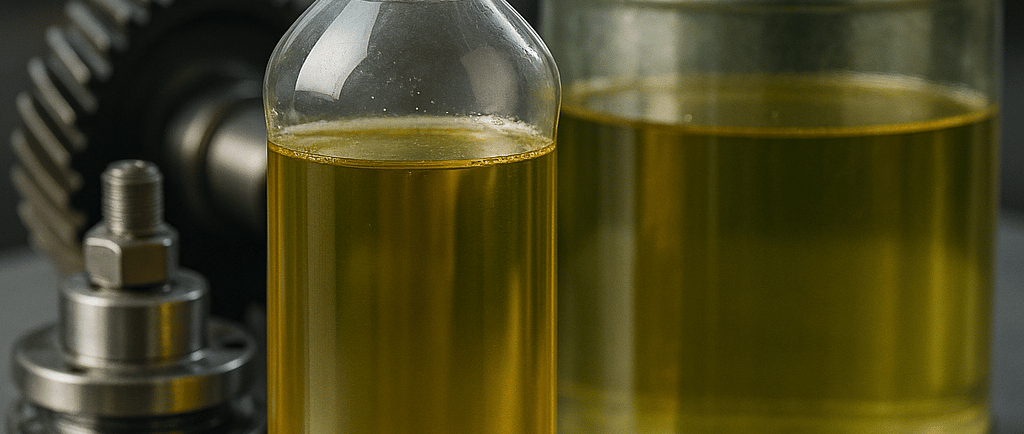
In contrast, biodegradable lubricants and coolants leverage rapidly renewable resources, such as canola, sunflower oils, and synthetic esters derived from fatty acids. These products are designed for rapid environmental breakdown—often reaching 60%–80% decomposition within 28 days, according to OECD 301 biodegradability testing protocols.
Regulatory and Stakeholder Pressure
With regulatory requirements tightening worldwide, especially in EU, US, and APAC markets, organizations are discovering that sustainable fluid selection streamlines both compliance and stakeholder engagement. Sustainability-minded clients, investors, and supply chain partners are increasingly demanding full lifecycle transparency and improved environmental credentials. This puts added emphasis not just on a company’s operational emissions, but also on up- and downstream impacts—catalyzing lubricant and coolant innovation as both a risk-mitigation and brand leadership tactic.
Biodegradable Lubes & Coolants: Performance Insights
1. What Are Biodegradable Lubricants and Coolants?
Biodegradable lubes and coolants are advanced fluid formulations engineered to meet growing demands for both environmental safety and high-performance machinery protection. The primary types include:
Vegetable-based oils (e.g., rapeseed, soy, sunflower): Naturally high viscosity; suitable for moderate loads and temperature.
Synthetic esters: Chemically modified to enhance performance parameters—improved oxidation resistance and temperature stability.
Polyalkylene glycols (PAGs): Superior lubricity and non-toxic; commonly used for environmentally sensitive applications.
Key characteristics:
Lubricity: Reduces friction, wear, and energy consumption. Fieldwork from the German Federal Environment Agency shows that advanced esters can reduce equipment wear by 10–20% compared to conventional products.
Thermal stability: Retains viscosity, resists breakdown at high temperatures, essential for hydraulics, metalworking, and automotive sectors.
Corrosion and oxidation resistance: Preserves equipment integrity, supporting longer maintenance intervals.
Low toxicity: Certified by industry bodies (e.g., Blue Angel, EU Ecolabel) for safe use in agriculture, food processing, and marine environments.
2. Do Biodegradable Products Deliver Comparable Performance?
Until a decade ago, skeptics voiced legitimate concerns about biodegradable lube/coolant performance: shorter life cycles, susceptibility to oxidation, and inadequate protection in high-pressure applications. However, ongoing R&D, spearheaded by leaders such as FUCHS, Shell Renewable Solutions, and industry consortia like NLGI, has dispelled many of these concerns.
Key Performance Metrics
Lubricity: 2019 comparative trials by the American Gear Manufacturers Association demonstrated that high-quality synthetic esters outperformed mineral oils in extreme-pressure gear tests, reducing heat generation and micro-pitting.
Heat Dissipation: Some modern biodegradable coolants provide a 5–10% improvement in thermal transfer, ensuring reliable cooling in CNC machining, die casting, or power generation.
Equipment Compatibility: Contemporary formulations are engineered for backwards compatibility. A 2021 Dow Chemical case study with a leading automotive plant found that replacing 80% of legacy fluids with biodegradable alternatives did not require equipment retrofit—yielding a 15% reduction in downtime and immediate compliance gains.
3. Life Cycle Assessments (LCA) – The Full Carbon View
A cradle-to-grave LCA is now the gold standard for sustainable operations. When comparing new-generation biodegradable lubricants to mineral oil-based fluids, most third-party verified LCA studies reveal:
Embedded carbon emission reductions of 60–80%
Ecotoxicity scores (measured as Potentially Affected Fraction, or PAF) reduced by up to 95%
Simplified regulatory compliance (transitioning hazardous material status to non-hazardous, easing reporting and disposal)
Case in point: In 2022, a global logistics firm documented 42% lower Scope 3 emissions from biodegradable lube purchases, while enjoying $200,000 in annual savings from reduced hazardous waste fees and insurance.
Actionable Decarbonization Tactics Using Biodegradable Lubes & Coolants
Embracing biodegradable fluids is not a superficial fix—it’s a strategic lever for reducing operational risk, cutting costs, enhancing compliance, and differentiating your sustainability story in competitive markets. Here’s how to move from intention to action:
Tactic 1: Map Your Lubricant Carbon Footprint
A comprehensive lubricant and coolant audit is the foundation for measurable improvement. Steps include:
Inventory analysis: Document all fluids by type, brand, application, and location.
Lifecycle mapping: Identify raw material origin, transport distances, and disposal practices. Use robust LCA tools like GaBi or SimaPro for precise carbon estimates.
Spill/incident tracking: Integrate EHS (Environment, Health, and Safety) software for incident and accident history.
Action step:
Collaborate with suppliers certified under ISO 14067 (carbon footprint of products). Use their advanced digital tools to generate fluid-specific environmental impact reports. This creates your data-rich baseline and pinpoints high-impact substitution opportunities.
Tactic 2: Prioritize High Impact and High Risk Applications
Once you understand your lubricant and coolant footprint, the next question is simple. Where should you act first for the greatest environmental and business benefit with the least operational risk.
You will not switch every product, plant, and asset in one sweep. The scale of the global lubricants market makes that obvious. More than 420 million metric tons of lubricants are consumed every year worldwide. Industrial products such as hydraulic fluids, process oils, and metalworking fluids account for close to half of that volume. 360 Research Reports
The right approach is to identify the specific applications that combine four conditions:
High probability of leaks, spills, or chronic losses
Direct contact with soil, water, or food
Significant fluid volumes or frequent change intervals
Strong regulatory or stakeholder scrutiny
In practice, this repeatedly points to a similar group of “Tier 1” candidates across heavy industry, logistics, construction, and recycling.
Mobile hydraulics and construction equipment
On construction and mining sites, hydraulic oil is often the single largest source of routine fluid loss into the environment. A study on mobile machinery and bio based hydraulic fluids found that 74 percent of fluid leak events on construction sites involved hydraulic oil, and almost one third of those events released more than 20 liters in a single incident. MDPI+1
Those numbers matter for three reasons:
You have a high frequency of leaks by design. Hoses, fittings, and seals see constant shock loads, vibration, and contamination.
Leaks almost always occur on or near soil or water. That brings direct remediation cost and legal exposure.
Equipment is mobile. Tracking and containing spills across a large site is harder than in a fixed plant.
Bio based hydraulic oils and advanced ester formulations change this risk profile. They offer:
Rapid biodegradation in soil and water, which reduces long term persistence of contamination. MDPI+2ResearchGate+2
Very low acute toxicity for aquatic organisms compared with many mineral oil products. MDPI+1
Equal or better efficiency in hydraulic systems when viscosity is selected correctly, since lower internal friction can reduce energy losses in pumps and motors. MDPI+1
In practice, the most effective early conversions often focus on:
Excavators, loaders, and cranes working within a defined distance of water bodies or drainage systems
Machinery used in tunnel construction or underground works where spills are hard to detect
Equipment that already shows leakage history in EHS or maintenance reports
Several construction and equipment suppliers report that switching to biodegradable hydraulic fluids in high exposure zones cuts soil remediation work and related downtime. In addition, modern bio based hydraulic oils now support competitive drain intervals, so the economic case looks very different from first generation products. MDPI+2MFCP+2
For an operator, the steps look like this:
Review incident data and identify the equipment families with the highest number of hydraulic leaks.
Prioritize assets that work close to water, storm drains, or sensitive habitats.
Engage your lubricant supplier and OEMs to select approved bio based hydraulic fluids that match system requirements for viscosity, seal compatibility, and temperature range.
Pilot the change on one site, track leak incidents, cleanup costs, and fluid consumption for 6 to 12 months, and then scale.
Marine, ports, and offshore operations
Marine and offshore applications are subject to some of the most specific fluid regulations anywhere in the world. Since 2013, the United States Vessel General Permit has required vessels longer than 79 feet that enter US waters to use Environmentally Acceptable Lubricants in all oil to sea interfaces, unless this is technically infeasible. These interfaces include stern tube seals, thrusters, stabilizers, and many deck machinery components. STLE+3oilanalysis.eu+3Home+3
At the same time, the OSPAR Convention has set a mandatory control system for offshore chemicals in the North East Atlantic. Chemical suppliers must disclose ecotoxicity and biodegradation data, and authorities encourage the move toward less hazardous or non hazardous substances in drilling and production operations. GOV.UK Assets+4OSPAR Commission+4cargill.com+4
These rules reflect the growing awareness that chronic, small scale releases from routine operations can rival or exceed headline grabbing oil spills over time. Recent work on the North Sea, for example, shows that frequent, low volume discharges and leaks have been widely underestimated and can still cause serious harm to marine life and protected areas. Oceana UK+2National Academies+2
For ports, shipping companies, and offshore operators, this makes biodegradable lubricants and coolants a priority in:
Stern tubes and thrusters
Deck cranes and winches
Steering gear and stabilizers
Anchor handling and mooring equipment
Jack up systems and other hydraulic equipment that sits directly above water
EU Ecolabel lubricants and other certified EAL products provide a practical path. The EU Ecolabel criteria for lubricants cap hazardous substances, require proven biodegradability, restrict aquatic toxicity, and also require that performance is at least as good as conventional alternatives. eu-ecolabel.de+4Environment+4Eur-Lex+4
Ship owners that align with these standards gain three benefits at once. They stay ahead of VGP like requirements in current and future markets. They cut the risk and impact of routine discharges. They signal credible action on marine protection to clients and investors.
Metalworking, forming, and machining operations
In industrial plants, the single largest lubricant and coolant volumes often sit in metalworking, forming, and machining operations. Cutting fluids, coolants, and forming oils serve several roles at once. They cool tools and workpieces, carry away swarf, prevent corrosion, and keep surfaces clean.
These products can carry a heavy environmental and health burden:
They are commonly mineral oil based and can contain additives that raise concern for workers and regulators.
Large volumes circulate through central systems, and contaminated fluid must be treated or disposed of as hazardous waste.
Mist and aerosol exposure affect indoor air quality and worker health, which connects fluid choice to occupational safety.
Recent research on bio based and advanced synthetic lubricants for these applications shows several important trends:
New ester based and bio based formulations can cut friction by up to 40 percent in some configurations, which reduces energy use in machining and forming. MDPI+1
Comparative LCAs find that bio based lubricants can cut greenhouse gas emissions by around 30 to 75 percent across the product life cycle compared with mineral oils, even after accounting for more complex processing steps in some products. Liu Diva Portal+2SciSpace+2
Energy efficient hydraulic and metalworking fluids can reduce total carbon footprint even when their own manufacturing impact is slightly higher, because lower losses and longer service life in use dominate the equation. Precision Lubrication+1
For a metals or automotive plant, that suggests a clear order of attack:
Start with central coolant systems that drive the largest volumes and disposal costs.
Focus on lines where tool wear, energy use, or fluid related downtime are already known issues.
Work with suppliers that can provide LCA data, toxicity profiles, and proof of tool life or energy improvements from field trials.
Forestry, agriculture, and hydropower
Forestry equipment, agricultural machinery, and hydropower installations share one core feature. Much of their lubrication burden sits directly in or above soil and water.
Harvesters, skidders, and forwarders operate among streams and wetlands. Tractors and sprayers move across farmland where leaks can reach groundwater. Hydropower plants rely on large lubrication and hydraulic systems located near river channels.
Mineral oil leaks in these contexts create long lasting contamination, remediation expense, and reputational risk with local communities. By contrast, bio based hydraulic fluids and greases degrade faster and reduce toxicity in precisely the environments where exposure is hardest to control. MFCP+3MDPI+3ResearchGate+3
Utilities and forestry firms that prioritize these systems report:
Simpler permitting and stakeholder discussions for new projects, because fluid choices demonstrate credible risk reduction.
Lower long term liability for soil and water contamination, since bio based products are less persistent and less toxic.
Comparable equipment reliability when products are selected and maintained correctly under OEM guidance.
How to build your Tier 1 conversion list
Once you have mapped all lubricant and coolant uses, you can build a ranked list of early conversion targets with a simple scoring method.
First, assign every application in your inventory a score from one to five for four factors:
Environmental exposure. Consider proximity to water and soil, likelihood of direct releases, and sensitivity of the surrounding area.
Volume and turnover. Look at tank sizes, circulation volumes, and drain intervals.
Regulatory pressure. Check whether specific permits, ecolabel rules, or sector guidelines apply today or with high probability in the near term.
Operational readiness. Confirm whether there are certified biodegradable products and OEM approvals for that application.
Second, sum the scores and review the top ten to twenty applications. You will often see patterns. Mobile hydraulics, marine interfaces, and large coolant systems tend to cluster at the top. That is where the combination of environmental benefit, regulatory value, and credible product performance is strongest.
Third, create a staged conversion roadmap. For example:
Years one to two. Focus on marine and port equipment in markets with VGP like requirements, high leak mobile hydraulics near water, and the largest central coolant systems.
Years three to five. Extend to forestry, agriculture, and remaining mobile hydraulics. Expand to more specialized metalworking fluids, greases, and gear oils as product options mature and LCAs become available.
Alongside this, define clear performance and sustainability metrics for each conversion. Track leak incidents, cleanup costs, hazardous waste volumes, energy use, fluid consumption, and verified lifecycle emissions. This turns each project into evidence that your lubricant and coolant strategy is delivering real gains, not only compliance on paper.
Handled this way, biodegradable lubricants and coolants move from a niche purchase decision to a structured program that reshapes risk, cost, and environmental impact across your portfolio of assets.
Connect
Your trusted partner for scrap metal procurement.
CONTACT
About
haroon@tdcventures.com
+1-307-655-7593
© 2025. All rights reserved.
NEWSLETTER