
Mobile Clinics: Stainless & Aluminum Modules for Climate Migration and Circular Infrastructure
Discover how stainless and aluminum modular mobile clinics with microgrids and circular design deliver rapid, reusable health infrastructure for climate-displaced populations.
CLIMATE MIGRATION & CIRCULAR INFRASTRUCTURE PLANNING
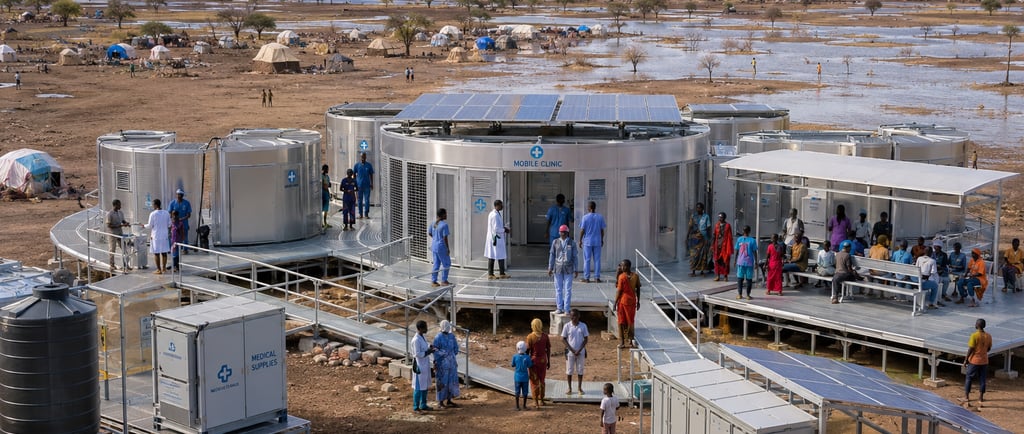
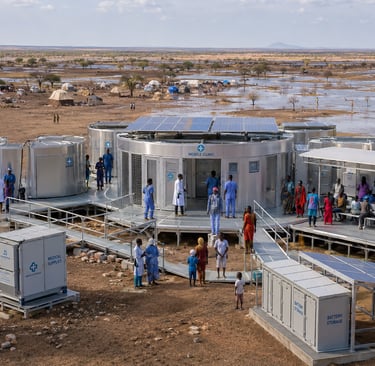
Instant Answer
Stainless and aluminum modular mobile clinics drive rapid, circular infrastructure for governments and health NGOs facing climate migration. By utilizing reused steel, on-site microgrids, and robust sterilization protocols, these clinics deliver scalable, sustainable, and hygienic medical support, flexing quickly to migrations and environmental shocks.
Table of Contents
Why Mobile Clinics for Climate Migration Matter
The Opportunity: Gaps in Health Response Infrastructure
Key Definitions: Circular, Modular, Microgrid
Framework: Humane, Circular Rapid-Deploy Clinics
Implementation: Module Checklist & Workflow
Measurement: Metrics, Scorecard, and QA
Example Scenarios: Deployment Patterns
Frequently Asked Questions
Five-Layer Distribution and Reuse Toolkit
Market Gaps and Upgrades
1. Why Mobile Clinics for Climate Migration Matter
Climate migration is triggering profound changes in how healthcare infrastructure must operate. The numbers are staggering: According to the Internal Displacement Monitoring Centre, over 32 million people were displaced by extreme weather events in 2022 alone—and the World Bank anticipates upwards of 216 million internal climate migrants by 2050, many across Africa, South Asia, and Latin America. Each displacement event exerts immense pressure on static local health systems, which are seldom built for rapid surges or shifting demographics.
Traditional brick-and-mortar clinics, though robust for stable populations, simply cannot keep pace with the urgency and unpredictability of climate migration. Aside from construction lag (often months or years), fixed-location clinics typically feature high embedded carbon, a lack of modularity, and inflexible layouts that make them ill-suited to infectious disease triage or sudden surges.
Health NGOs, governmental disaster agencies, and tech-forward modular builders urgently need agile solutions. Enter stainless and aluminum modular mobile clinics—deployable units that can travel with or ahead of climate-affected populations. They offer far more than speed; they embody circular infrastructure principles: built for low environmental impact, ongoing reuse, and adaptation.
Crucially, these clinics provide a path toward climate resilience, making it possible to deliver safe and equitable healthcare—regardless of where a displaced population lands. They reduce the risk of disease outbreaks, streamline operations, and ensure medical care continuity even as populations and threat profiles change. The strategic deployment of circular, modular, microgrid-supported clinics signals a fundamental upgrade in humanitarian health infrastructure.
2. The Opportunity: Gaps in Health Response Infrastructure
Operational stakes in climate migration contexts are incredibly high. Each year, humanitarian organizations respond to massive weather-linked displacements ranging from monsoon flooding in Bangladesh to wildfires in California and bushfires across Australia. Yet, studies by Médecins Sans Frontières and the Sphere Project repeatedly highlight persistent system gaps:
Speed: Conventional clinics require long construction and setup timelines, leaving new arrivals vulnerable.
Scale: Population surges can instantly overwhelm existing, rigid medical infrastructure.
Sanitation: Field hospitals or emergency tents—often deployed as stopgaps—tend to suffer from poor infection control, minimal physical separation, and unhygienic waste management.
Sustainability: Single-use shelters contribute to enormous waste streams. After the crisis abates, decommissioned tents and prefab units frequently end up in landfills, undermining broader environmental goals.
Modular, circular clinics—purpose-built from stainless and aluminum—address all of these weaknesses:
Agile Response: Rapid deployment is feasible as modules are prefabricated, delivered regionally, and reassembled in days instead of months.
Durable Materials: Stainless steel and aluminum withstand repeated sterilization, harsh weather, and frequent moves without loss of structural integrity.
Ease of Redeployment: Modules are designed to be reused, recycled, or refurbished, reinforcing circularity and minimizing waste.
Integrated Safety: Purpose-built infection control layouts and robust microgrids keep care going even off-grid or amid unreliable utilities.
The mismatch between climate migration patterns and existing health infrastructure is a critical market and humanitarian opportunity. By closing these gaps with strategic, modular investments, organizations can multiply their impact—delivering on SDG 3 (“Good Health and Well-being”) and SDG 12 (“Responsible Consumption and Production”) simultaneously.
Case in Point:
During Cyclone Idai (Mozambique, 2019), nearly 1.8 million people were displaced. Standard tented field clinics were quickly overwhelmed—leading to cross-infections, poor waste disposal, and significant medical staff burnout. Pilot tests in subsequent floods utilized modular clinics with aluminum exteriors, accelerating deployment by 40% and increasing patient throughput without compromising pandemic-level infection control protocols.
3. Key Definitions: Circular, Modular, Microgrid
Understanding the core terminology is foundational for any NGO, government, or procurement partner entering the space of climate-responsive healthcare infrastructure. Here’s a concise break-down with context-sensitive elaboration:
Circular Infrastructure
Circular infrastructure prioritizes end-of-life recovery, material reuse, and design principles that reduce waste and environmental footprint. In the mobile clinic sector:
Materials Sourcing: Reused or recycled stainless steel and aluminum dramatically cut embodied energy versus new materials.
Design for Disassembly: Modules are intentionally designed for repeat setup, breakdown, and transport—with robust documentation ensuring traceability of each material batch through its lifecycle.
Lifecycle Auditing: After each deployment, modules undergo a condition audit; non-viable elements are recycled, parts are refurbished, and only irreparable units are retired.
Circularity is no longer theoretical. The EU’s Waste Framework Directive, for example, now recommends a minimum 70% material recovery rate for mobile buildings—a benchmark top providers actively track in post-disaster settings.
Modular Mobile Clinics
A modular mobile clinic is, by definition, a healthcare structure fabricated in standardized, connectable units. Advanced engineering allows:
Scalable Layouts: Clinics can be split into triage, consultation, treatment, and recovery units.
Transportability: Modules are designed for easy lifting onto trucks, train carriages, or even cargo planes during high-urgency operations.
On-Site Adaptability: Units can be assembled or reconfigured in response to shifting caseloads, urban-rural site layouts, or fresh epidemiological threats.
Microgrids
Microgrids are local, decentralized energy systems—usually incorporating solar panels, battery storage, and occasionally small wind turbines or backup generators. Key attributes for mobile clinics include:
Grid Independence: Critical, especially as climate disasters often knock out local utilities for weeks.
Right-Sized Power: Microgrids are precisely engineered for the energy needs of refrigeration (cold chain), diagnostic machines, air filtration, and lighting.
Hierarchical Management: Smart microgrid controllers automatically prioritize life-sustaining functions, such as oxygen delivery, over less critical loads during power deficits.
Sterilization SOP (Standard Operating Procedure)
Sterilization SOPs detail the sequence and method of cleaning, disinfecting, and monitoring each modular unit. Specialists track surface, air, and equipment hygiene—using automated logs and remote sensors for compliance.
4. Framework: Humane, Circular Rapid-Deploy Clinics
To move from concept to impact in climate migration, leaders need a proven, adaptable framework for modular clinics. This multi-step approach weaves together humanitarian best practices, advanced sustainability, and real-world logistics honed through past deployments.
Step-By-Step Framework: Deep Dive
Needs Assessment
Utilize geographic information systems (GIS) to plot migration routes, likely concentration points, and seasonal climatic hazards.
Catalog local disease burdens—e.g., heatstroke in heatwaves, malaria in floods, or cholera outbreaks during water disruptions.
Run population simulations to estimate peak demand and staffing ratios.Circular Sourcing Protocol
Work with material recovery partners to source certified reused steel and aluminum—documenting each module’s material lineage.
Align with international health facility hygiene standards—such as WHO’s WASH (Water, Sanitation, and Hygiene) infrastructure requirements.Microgrid Integration
Conduct site solar potential analysis using satellite data or on-the-ground audits.
Specify microgrid size and backup requirements based on critical loads, factoring in local climate (cloud cover, night duration, seasonal fluctuations) and anticipated length-of-stay.Module Layout Design
Implement advanced infection control architecture: unidirectional flow, distinct ‘red’ (infected) and ‘green’ (clean) zones, negative-pressure isolation rooms.
Design spaces with natural daylighting, climate-adaptive exteriors, and easy-to-sterilize surfaces.Rapid Manufacturing/Pre-assembly
Contract with regional modular builders to minimize shipping times and CO2 emissions.
Require ISO 13485 (medical devices) or other applicable certifications for clinic-grade prefab units.Logistics & Transport
Map road and rail routes, checking for potential bottlenecks, weight restrictions, or political barriers.
Pre-arrange customs clearance for all modular units and medical supplies.Sterilization & Recommissioning SOP
Implement full module sterilization upon arrival, using validated chemical agents or portable autoclaves.
Re-sterilize floors, patient contact surfaces, and critical interior fittings before each new clinical cycle.Clinical Operations Onboarding
Run crash-courses on modular clinic assembly, microgrid maintenance, and infection control for new teams—with digital SOPs and on-call remote support.Performance Analytics
Install IoT sensors for air quality, temperature, power status, and filter maintenance; link to a remote dashboard for real-time quality assurance.Feedback & Circular Recovery
After each operational phase, gather structured feedback from clinical staff and local users.
Audit each module for wear, usability, and hygiene before reassigning to the next deployment—optimizing for maximum lifecycle value and recyclable material yield.
Worked Example: South Asia Flood Migration
In 2023, a leading health NGO faced down catastrophic flooding which displaced 200,000 residents in Bangladesh’s Brahmaputra Basin. By utilizing exclusively regionally sourced aluminum modules—each pre-configured for microgrid support and cold chain resilience—they:
Deployed six medical clusters within 11 days (overcoming previous 21-day field setup records).
Delivered services to an average of 1,500 patients per week, with zero documented nosocomial (clinic-acquired) infections for the duration.
After 8 weeks, post-use audits confirmed that 90% of key structural and medical-use modules were fit for immediate redeployment, exemplifying true circularity.
5. Implementation: Module Layout Checklist & Workflow
Operationalizing a modular mobile clinic for climate migration involves a sophisticated workflow. Making the process repeatable—not reliant on heroics—requires robust checklists and agile decision trees. Here’s a breakdown, with fresh best-practices integrated:
Mobile Clinic Module Checklist
Map migration routes and regional climate threats using updated satellite and weather data.
Quantify targeted population and prioritize essential health services (triage, maternal care, vaccination, infection management).
Source all clinic modules from certified reused steel/aluminum suppliers ensuring upstream traceability.
Run pre-deployment sterilization compatibility testing per module (validate all prior use).
Specify solar or hybrid microgrid based on worst-case power scenarios. Simulate 72-hour brownout.
Design the clinic cluster: assign intake, triage, treatment, short-term ward, waste, staff rest, and cold-chain storage modules.
Integrate medical gas distribution, negative pressure airflow in isolation modules, and external shaded waiting areas.
Pre-fit all pharma storage units with anti-theft locks and thermal buffering.
Confirm all modules meet relevant ISO and national medical supply chain regulations.
Train all staff on modular setup, microgrid troubleshooting, and sterilization.
Complete utility or microgrid power connection validations; run all systems stress tests.
Implement full baseline sterilization with audit log before seeing first patient.
Enable real-time KPI monitoring on staff app: energy use, module uptime, and infection control compliance.
Post-operation: audit every module for damage, material fatigue, and remaining usable life.
Update asset registry with condition score and maintenance actions after each redeployment.
Decide fate for each module: refurbish, recycle components, or schedule retirement for unusable elements.
Expanded Decision Tree:
If full grid power is unavailable or unreliable: Deploy solar+battery microgrid preconfigured for up to 1 week off-grid autonomy.
If infectious disease or epidemic threat is high: Enforce strict ‘red/green’ zoning, negative pressure isolation, and separate entry/exit workflows.
If rapid scale-up is anticipated: Use standardized module connections compatible with available transport; keep site preparation minimal.
If customs delays are possible: Pre-stage regulatory approval for all components and work with local partners for just-in-time logistics support.
Failure Mode Analysis (with Lessons Learned):
Incompatible module previous use: Avoid by tracking and validating material histories; conduct deep sterilization with on-site verification.
Microgrid undersizing: Solve by running load simulations including peak surge; select modular add-on batteries for high draw periods.
Delays at customs: Prevent via advanced customs brokerage, local advocacy, and clear labeling/documentation.
Team unfamiliarity: Address with mandatory training, modular setup guides, and a digital incident-logging system for fast troubleshooting.
6. Measurement: Metrics, Scorecard, and QA
Measurement is what separates a well-intentioned mobile clinic from a reliable health infrastructure asset. In climate migration settings, the question is not only whether the clinic arrived. The real question is whether it delivered safe care, stayed powered, protected patients, reduced waste, controlled infection risk, and remained ready for redeployment after the crisis phase ended.
By 2026, this matters more than ever. Internal displacement has moved from an episodic humanitarian issue to a recurring operating condition for governments, NGOs, insurers, health ministries, city planners, and infrastructure suppliers. IDMC reported that 83.4 million people were living in internal displacement at the end of 2024, the highest figure recorded at that point, while disasters triggered 45.8 million internal displacements during 2024 alone. In 2025, conflict and violence drove 32.3 million internal displacements, while disasters still drove 29.9 million movements, showing that climate, conflict, weak infrastructure, and health access are now linked pressures rather than separate issues.
For stainless and aluminum modular mobile clinics, measurement should cover six areas: clinical access, infection prevention, energy resilience, material circularity, operational speed, and patient trust. A clinic that treats 1,000 people per week but fails cold-chain temperature control is not successful. A clinic that reaches a displaced settlement in 48 hours but creates unmanaged hazardous waste is not successful. A clinic that performs well once but cannot be cleaned, repaired, audited, packed, and redeployed is not circular infrastructure.
The first metric is deployment speed. This tracks how long it takes to move from trigger event to first patient. In flood, cyclone, wildfire, drought, and heat-displacement events, the benchmark should be measured in hours and days, not weeks. A practical target is to activate the first mobile clinic within 24 to 72 hours of site approval, with full clinical workflow running within 5 to 10 days depending on terrain, customs, safety, and road access. Faster deployment is especially important when displaced populations arrive before formal camp infrastructure, because the first days often determine whether respiratory illness, diarrheal disease, heat illness, wound infection, maternal complications, and vaccine gaps escalate.
The second metric is patient throughput. This should be tracked by service type rather than total visits alone. A mobile clinic should report triage visits, primary care consultations, maternal and newborn visits, vaccination encounters, mental health consultations, nutrition screenings, wound care, infectious disease testing, referrals, and emergency stabilizations. A clinic that records 1,500 weekly visits but cannot identify what those visits covered has weak operational intelligence. In climate migration contexts, caseload composition changes fast. After floods, diarrheal disease, skin infections, snakebites, injuries, and vector-borne illness may rise. During heatwaves, dehydration, kidney stress, cardiovascular complications, pregnancy risks, and medication storage failures become more important. The scorecard must show which services were delivered, where demand increased, and which supplies were depleted first.
The third metric is continuity of critical services. This is where microgrids become more than an energy add-on. They become a patient safety layer. Refrigeration, diagnostic equipment, lighting, communication systems, air filtration, sterilization tools, medicine storage, and oxygen support all depend on power. UNICEF has documented that solar-powered refrigeration can keep vaccines at the required temperature without relying on a national grid, while UNICEF also supports off-grid energy solutions for vaccine cold chains, health facility electrification, heating, cooling, and clean water access.
A clinic scorecard should track power uptime, battery autonomy, critical-load prioritization, fuel avoided, solar generation, refrigeration temperature excursions, and hours of care delivered during grid failure. A strong design target is 95% to 99% uptime for critical loads, with separate logs for vaccine refrigeration, essential medicines, lighting, and digital records. In field settings, this level of monitoring helps teams know whether a mobile clinic is clinically safe or simply physically present.
The fourth metric is cold-chain integrity. Vaccines, insulin, blood products, oxytocin, some antibiotics, diagnostic reagents, and temperature-sensitive medicines can lose efficacy when storage fails. In a climate-displacement setting, heat, dust, flooding, unstable grid power, and long transport routes increase cold-chain risk. Each mobile clinic should log storage temperature continuously, flag deviations, record corrective action, and document whether any stock was quarantined or discarded. A useful QA rule is simple: no temperature-sensitive clinical stock should be used without a verified temperature history.
The fifth metric is WASH performance. Water, sanitation, hygiene, cleaning protocols, and waste segregation are not supporting services. They are core clinical functions. WHO and UNICEF have reported that many health care facilities still lack basic hygiene services, and WHO states that about 85% of health-care waste is general non-hazardous waste while the remaining 15% is hazardous material that may be infectious, toxic, chemical, or radioactive. That 15% can create major public health risk when segregation fails.
For mobile clinics, the QA system should track liters of safe water available per patient encounter, hand hygiene station uptime, cleaning cycle completion, disinfection contact times, sharps container fill levels, hazardous waste segregation accuracy, waste transfer documentation, wastewater handling, and staff compliance with personal protective equipment. Stainless steel and aluminum support this system because they tolerate repeated cleaning, resist corrosion, and allow smooth, non-porous surfaces when designed properly. The material choice matters because poor interior finishes turn into infection control risks after repeated field use.
The sixth metric is infection prevention and control. A mobile clinic should track suspected clinic-acquired infections, staff exposure incidents, isolation room usage, ventilation performance, surface cleaning verification, patient flow breaches, and separation between clean and contaminated zones. In respiratory disease periods, the clinic should also track air changes, filter replacement, isolation capacity, and waiting-area density. For diarrheal disease outbreaks, the clinic should track handwashing access, sanitation links, oral rehydration distribution, cholera testing flow where relevant, and referral speed.
The seventh metric is staff safety and workload. Burnout is common in humanitarian health response because teams often operate in crowded, hot, insecure, and emotionally intense settings. A mobile clinic scorecard should track shift length, patient-to-clinician ratio, security incidents, heat exposure, hydration access, rest space availability, needle-stick incidents, harassment incidents, and referral stress. A clinic that protects patients but burns out the workforce will fail in longer displacement cycles. Aluminum and stainless modules can include shaded staff rest pods, secure medicine rooms, lockable storage, washable changing areas, and protected circulation routes. These design choices are measurable, not cosmetic.
The eighth metric is circular material performance. This is where the clinic moves from emergency asset to circular infrastructure. The scorecard should track recycled-content percentage, reused-component percentage, repair rate, redeployment readiness, module damage rate, component replacement rate, waste generated per deployment, material recovery rate at retirement, and verified recycling routes. Aluminum is especially valuable in circular design because recycled aluminum can use about 95% less energy than primary aluminum, while secondary aluminum production continues to grow as a lower-carbon supply route for many industries.
Stainless steel also fits mobile clinic reuse because it is durable, cleanable, corrosion-resistant, and widely recyclable. The QA system should record whether panels, frames, medical furniture, tanks, fasteners, ductwork, and service rails can be removed without destroying the module. The most useful mobile clinic is not only the one that arrives quickly. It is the one that can serve, leave, be cleaned, repaired, documented, and redeployed with minimal waste.
The ninth metric is community acceptance. Mobile clinics often fail when they are technically sound but socially misaligned. Climate migration can place people from different languages, religions, occupations, ethnic groups, and legal statuses into tense shared spaces. Patient trust should be measured through service uptake, repeat visits, missed referral rates, women’s access, child vaccination acceptance, complaint records, privacy concerns, language support usage, and community health worker feedback. A clinic that women avoid because the waiting area feels unsafe has a design failure. A clinic that displaced families distrust because intake questions feel like immigration screening has a communication failure.
The tenth metric is redeployment readiness. At the end of each operating cycle, every module should receive a condition score. The score should cover structure, seals, flooring, water systems, electrical systems, clinical surfaces, HVAC, solar components, batteries, doors, locks, ramps, medical storage, waste areas, and transport points. The clinic should not be marked complete until each module is assigned one of four outcomes: redeploy immediately, repair before redeployment, strip for parts, or recycle.
A practical QA cycle should run in four stages. First, pre-deployment inspection confirms that the clinic is structurally safe, clean, documented, powered, stocked, and ready for transport. Second, commissioning inspection verifies site assembly, water, power, ventilation, infection control, cold chain, waste routing, and staff workflow before patients enter. Third, daily QA checks monitor patient flow, cleaning, waste, power, medicine stock, staff safety, and incident reports. Fourth, post-deployment audit captures clinical outputs, failures, repairs, remaining service life, and circular recovery.
The most important principle is traceability. Every mobile clinic module should have an asset record, material record, maintenance history, cleaning history, deployment history, and QA history. In 2026, this is no longer unrealistic. QR-coded asset tags, low-cost sensors, satellite connectivity, offline-first mobile apps, and shared humanitarian data standards make it possible to track clinic performance even in remote environments. The organizations that build this discipline early will spend less over time because they will know which modules fail, which materials last, which layouts reduce infection risk, and which deployment models produce the best patient outcomes.
7. Example Scenarios: Deployment Patterns
Mobile clinics for climate migration should not be treated as one generic product. They should be configured around deployment patterns. The same stainless and aluminum module system can support flood displacement, heat migration, wildfire evacuation, drought-linked pastoralist movement, coastal relocation, border transit, urban informal settlement growth, and post-cyclone recovery. The materials may remain similar, but the layout, power system, staffing plan, stock profile, and site logic should change.
The first deployment pattern is flood-displacement response. This is highly relevant across South Asia, West Africa, East Africa, Southeast Asia, Latin America, and coastal regions worldwide. Floods can damage roads, contaminate water sources, destroy homes, close local clinics, and push large populations into schools, embankments, stadiums, religious buildings, or temporary camps. The health burden often includes diarrheal disease, wound infections, skin conditions, respiratory illness from crowding, maternal care disruption, missed immunization, and mental distress.
In this pattern, the mobile clinic should include raised aluminum or stainless platforms, corrosion-resistant exterior panels, waterproof service compartments, sealed electrical runs, elevated battery storage, water testing kits, oral rehydration capacity, wound care stations, vaccination cold chain, and a strong referral link to secondary care. The waiting area should be shaded and drained. Waste routes should be protected from standing water. The clinic should be placed above expected flood level when possible, with ramps for older people, pregnant women, children, and people with disabilities.
A useful example comes from Pakistan’s repeated monsoon flood emergencies. In 2025, WHO situation reporting for Pakistan noted that around 6.9 million people were affected by monsoon and flood conditions from late June, with response teams aiding affected communities. Flood events at that scale show why mobile clinics need to be pre-positioned regionally rather than manufactured after the disaster begins.
The second deployment pattern is heatwave and drought migration. This model is becoming more important as extreme heat affects laborers, older adults, pregnant women, children, people with chronic illness, and people taking heat-sensitive medications. Drought also drives longer-term movement when crops fail, livestock routes collapse, or local livelihoods become impossible. Unlike flood response, heat migration may not produce one dramatic camp overnight. It can create gradual movement into towns, roadside settlements, peri-urban neighborhoods, and informal shelters.
For heat and drought response, the clinic should prioritize cooling, hydration, kidney and cardiovascular screening, maternal health, medication continuity, mental health care, and nutrition screening. The module design should include reflective aluminum panels, insulated roofing, low-energy cooling, shaded outdoor triage, solar-powered fans, high-efficiency refrigeration, and water storage. Microgrids are critical because heatwaves often strain grids at the same time clinics need cooling most.
The third deployment pattern is wildfire evacuation and smoke exposure response. Wildfires displace people quickly, damage air quality across wide regions, and create respiratory risk even far from the burn area. A wildfire-response mobile clinic should include respiratory triage, oxygen readiness, particulate filtration, eye care, burn stabilization, medication replacement, mental health support, and charging points for communication devices. Stainless and aluminum modules are useful because they can be cleaned after smoke exposure and resist damage better than temporary fabric structures.
In this pattern, HVAC and filtration performance become core metrics. The clinic should track indoor particulate levels, filter replacement cycles, oxygen use, asthma and COPD visits, and referral outcomes. The layout should separate acute respiratory distress from routine care. The clinic should also support displaced families who lost prescriptions, documents, mobility devices, or medical equipment during evacuation.
The fourth deployment pattern is coastal storm and cyclone recovery. Cyclones and hurricanes often combine wind damage, flooding, power loss, debris injury, water contamination, and prolonged infrastructure disruption. A modular mobile clinic for this pattern should be designed for high wind anchoring, salt-air corrosion resistance, rapid leveling on uneven ground, and independent power. Aluminum’s light weight helps transport, while stainless steel supports high-use clinical interiors and wet service areas.
The site should include triage, emergency stabilization, wound care, maternal and newborn care, vaccination, pharmacy, water testing, and referral coordination. In many cyclone zones, the first clinic may need to operate before the full camp is organized. That means the module cluster should be able to function as a small health post first, then expand into a larger care hub as more modules arrive.
The fifth deployment pattern is cross-border transit and migration corridor care. In this model, displaced people are not settled in one camp. They move through transit routes, border towns, bus stations, ferry points, informal crossings, and reception centers. The health system challenge is continuity. Patients may receive one visit and then move on before lab results, follow-up, referral, or vaccination schedule completion.
For corridor care, mobile clinics should be compact, fast to pack, and digitally connected. They should issue portable health records, vaccination documentation, referral notes, and multilingual care instructions. Services should focus on triage, pregnancy risk, child health, vaccination, wound care, mental health first aid, chronic medication refills, and infectious disease screening where appropriate. The module should include private consultation space because migration status, violence exposure, trafficking risk, and family separation may emerge during care.
WHO’s work on human mobility and health has emphasized that climate change is already affecting forced and voluntary movement, and that migration and health policies need stronger cross-border collaboration. This is directly relevant to mobile clinic planning because a clinic deployed at one border point may only be one link in a wider care chain.
The sixth deployment pattern is protracted displacement settlement care. Many people displaced by climate shocks do not return home quickly. Camps and informal settlements can last months or years. In this pattern, the mobile clinic must shift from emergency response to primary care continuity. Services should expand from triage into maternal care, child immunization, chronic disease management, mental health, nutrition, disability support, reproductive health, health education, and disease surveillance.
This is where modular design becomes valuable. A clinic can begin with two or three modules, then add a maternal health module, laboratory module, isolation module, pharmacy module, mental health room, dental or eye care pod, rehabilitation space, and staff rest unit. The layout should support privacy and dignity, not only throughput. The clinic should also be designed for local workforce participation. Community health workers can manage registration, outreach, translation, follow-up, and health education.
The seventh deployment pattern is urban climate migration. Climate migration does not always produce camps. Many displaced families move into cities, informal housing, industrial edges, abandoned buildings, or overcrowded rental units. In these settings, local clinics may already be overloaded. Mobile clinics can operate as rotating neighborhood health posts, placed near transit hubs, markets, schools, shelters, or community centers.
Urban mobile clinics need smaller footprints, quiet power systems, secure medicine storage, data privacy, wheelchair access, and strong referral ties to hospitals. They should provide primary care, vaccination, mental health support, maternal care, chronic disease screening, medication continuity, and social service referral. The design should avoid looking like a temporary disaster object if it will operate for months. Trust improves when the clinic feels clean, safe, and stable.
The eighth deployment pattern is remote off-grid settlement care. This applies to island communities, mountain settlements, desert regions, pastoralist routes, remote refugee-hosting areas, and regions where roads fail seasonally. For this pattern, power autonomy and maintenance simplicity matter most. UNICEF has noted that solar-powered systems may be the most viable alternative for cold-chain equipment where conventional systems are inefficient or difficult to control, especially in settings with weak grid access.
The clinic should use modular solar arrays, battery storage, passive cooling, long-life filters, spare-part kits, satellite communication, simple diagnostics, and local technician training. It should be designed for low-maintenance operation and repair with available tools. The best module is not the most complex one. It is the one that can keep working when replacement parts are delayed.
The ninth deployment pattern is outbreak-sensitive displacement care. Climate shocks can increase outbreak risk when water systems fail, sanitation breaks down, vectors expand, and people crowd into temporary shelters. In this pattern, the clinic should include isolation capability, separate entrances, handwashing at all patient contact points, specimen handling, vaccination support, fever screening, respiratory separation, and community education.
The design should include clean and contaminated routes, dedicated donning and doffing areas, secure waste storage, and surfaces that tolerate repeated disinfection. The clinic should collect syndromic surveillance data and share it with public health authorities quickly. Mobile clinics are often among the first places where disease clusters become visible. Their data role is as important as their treatment role.
The tenth deployment pattern is recovery and rebuilding support. After the immediate crisis, mobile clinics can bridge the gap while permanent clinics are repaired. They can also serve communities that relocated permanently. In this phase, the clinic can shift toward routine primary care, rehabilitation, chronic disease management, maternal and child health, vaccination catch-up, and mental health support. Modules that are no longer needed for emergency triage can be reconfigured or sent elsewhere. This is circular infrastructure in action: the same asset moves from acute response to recovery, then to the next location.
8. Frequently Asked Questions
What makes stainless steel and aluminum suitable for mobile clinics?
Stainless steel and aluminum work well because they solve several field problems at once. Stainless steel is cleanable, durable, corrosion-resistant, and suitable for clinical surfaces, sinks, counters, fittings, waste areas, and high-touch zones. Aluminum is light, corrosion-resistant, easy to transport, and useful for exterior panels, frames, ramps, partitions, and modular shells. Together, they support repeated transport, assembly, cleaning, repair, and reuse.
In climate migration contexts, materials are exposed to heat, humidity, salt air, dust, floodwater, disinfectants, impact, and frequent handling. Fabric shelters and low-grade temporary structures may work for short emergency use, but they often struggle with infection control, temperature control, privacy, and long-term reuse. Stainless and aluminum modules cost more upfront, but they can reduce lifecycle cost when redeployed many times.
Are mobile clinics better than tents?
Tents are useful for immediate shelter, rapid triage, vaccination drives, and very short-term emergencies. They are lightweight and fast to deploy. But tents have limits. They can be difficult to cool, heat, clean, secure, partition, sterilize, and reuse after contamination. They may also perform poorly in high wind, heavy rain, extreme heat, smoke, dust, and protracted displacement.
Modular stainless and aluminum clinics are better when the goal is repeated clinical use, infection control, cold-chain protection, secure medicine storage, off-grid power, staff safety, and redeployment. The strongest emergency health systems use both. Tents can handle overflow and first-wave response, while modular clinics anchor safer medium-term care.
How fast can modular mobile clinics be deployed?
Deployment speed depends on where modules are stored, road access, customs, site approval, safety, staffing, and weather. A pre-positioned modular clinic can begin basic operations within days. A clinic that must be manufactured, shipped internationally, cleared through customs, and assembled after the event will take much longer.
The best practice is regional pre-positioning. Governments, NGOs, and suppliers should place modular clinic kits in climate-risk regions before disasters occur. Pre-positioning can include frames, panels, ramps, power kits, cold-chain units, water systems, waste containers, clinical furniture, spare parts, and digital setup files. The goal is to shorten the time between displacement and first safe consultation.
What services should a climate migration mobile clinic include?
The core service package should include triage, primary care, maternal and newborn care, child health, vaccination support, wound care, infectious disease screening, mental health first aid, nutrition screening, chronic disease medication continuity, pharmacy services, referral coordination, and health education. The exact mix should change by hazard.
Flood response needs diarrheal disease care, wound treatment, waterborne disease monitoring, and vaccination catch-up. Heat response needs hydration, heat illness treatment, kidney and cardiovascular monitoring, medication review, and cooling support. Wildfire response needs respiratory care, eye care, burn stabilization, and smoke exposure monitoring. Protracted settlements need maternal care, chronic disease care, immunization, mental health, rehabilitation, and disability support.
How should microgrids be sized for mobile clinics?
Microgrids should be sized around critical clinical loads first. These include vaccine refrigeration, medicine storage, lighting, diagnostic equipment, communications, water pumping, sterilization support, air filtration, cooling or heating, and emergency devices. Non-critical loads should be separated so the system can protect essential care during low-generation periods.
A practical sizing process starts with an equipment list, power draw, daily operating hours, surge loads, local solar conditions, battery autonomy target, seasonal weather, and backup options. The system should also model worst-case conditions, such as several cloudy days, flood-damaged grid access, night operations, or heatwave cooling demand. Research on solar-diesel hybrid mini-grids in refugee settings has shown that hybrid systems can cut costs and emissions compared with diesel-only operation, with one Rwanda camp study estimating savings up to 32% of total costs and 83% of emissions depending on system design.
Why is cold-chain resilience so important?
Cold-chain failure can quietly damage care quality. Vaccines and some medicines may look normal but lose effectiveness if exposed to the wrong temperatures. In a climate migration response, cold-chain failure can occur during transport, grid outages, extreme heat, flooding, or equipment malfunction.
Solar direct-drive refrigerators, battery-backed systems, temperature loggers, passive cold boxes, and clear stock quarantine protocols reduce risk. UNICEF guidance notes that solar-powered refrigeration can keep vaccines at appropriate temperatures without grid electricity, which makes it especially relevant for mobile and off-grid clinics.
How do mobile clinics manage health-care waste?
Mobile clinics should separate waste at the point of generation. General waste, sharps, infectious waste, pharmaceutical waste, chemical waste, and recyclable material should not be mixed. WHO states that around 85% of health-care waste is general non-hazardous waste, while 15% is hazardous. Poor segregation can turn manageable waste into a larger hazardous stream, increasing cost and risk.
A mobile clinic should include color-coded bins where allowed by local rules, puncture-proof sharps containers, secure temporary storage, staff training, collection logs, contracted disposal routes, and emergency overflow plans. Waste areas should be physically separated from patient waiting and clean supply areas. Stainless surfaces and washable storage compartments make this easier.
How can mobile clinics support women, children, older adults, and people with disabilities?
Inclusive design must be built into the module, not added later. Ramps, non-slip floors, shaded waiting areas, private consultation rooms, breastfeeding space, maternal examination areas, child-friendly corners, accessible toilets, clear patient flow, quiet mental health space, and safe lighting all matter. The clinic should be reachable by people using wheelchairs, crutches, carts, or family support.
For women and girls, privacy and safety are critical. Maternal care, reproductive health, gender-based violence referral, menstrual health, and safe consultation rooms should be part of the design. For older adults and people with chronic disease, the clinic should support medication continuity, blood pressure checks, diabetes care, mobility support, and referral tracking.
Can reused metal be safe in medical environments?
Yes, if it is properly sourced, documented, processed, finished, and tested. Reused stainless steel and aluminum should not mean uncontrolled scrap placed into clinical use. It means verified material recovery, engineering inspection, cleaning compatibility, structural testing, surface finishing, and traceable documentation.
The safest approach is to use reused or recycled metal in structural frames, exterior panels, service rails, transport skids, ramps, cabinets, and non-critical surfaces first. Patient-contact surfaces should meet medical hygiene requirements and be easy to disinfect. Every material stream should have a record of origin, treatment, coating, and inspection.
How do mobile clinics reduce carbon impact?
They reduce carbon impact through three routes. First, they avoid repeated construction of short-life facilities. Second, they use recycled or reused metals where safe. Third, they can replace or reduce diesel use through solar and battery systems.
Recycled aluminum is especially important because it typically requires about 95% less energy than primary aluminum. Solarizing clinic loads, especially refrigeration and lighting, also cuts diesel dependence. UNHCR’s Project Flow aims to solarize more than 100 water systems and health clinics for over 1 million refugees and host community members, with an expected reduction of 60,000 tons of CO2 emissions over 10 years.
Who should own and manage these clinics?
Ownership depends on the operating model. A health ministry may own the assets and deploy them nationally. An NGO may own a regional fleet. A modular supplier may lease clinics through a service contract. A donor-backed pool may hold assets for multiple countries. A city may own mobile clinics for heat, flood, and wildfire response.
The strongest model separates asset ownership from clinical governance. Medical protocols should remain under qualified health authorities. Asset maintenance, power systems, sterilization logs, repairs, and circular recovery can be handled by trained operations partners. This reduces the burden on clinicians and keeps modules ready for repeated use.
What is the biggest mistake buyers make?
The biggest mistake is buying a mobile clinic as a vehicle or container instead of buying an operating system. A clinic without staffing, power planning, water, waste, maintenance, cold-chain monitoring, repair logistics, spare parts, community outreach, and redeployment planning is only a box.
The second mistake is designing for the first deployment only. Climate migration is recurring. A good clinic should be evaluated over five to ten years of movement, cleaning, repair, refurbishment, and reuse.
9. Five-Layer Distribution and Reuse Toolkit
A mobile clinic only creates value when it reaches the right place, runs safely, and moves again when its job is done. That requires a distribution and reuse toolkit built around five layers: forecasting, pre-positioning, deployment, operation, and recovery.
The first layer is forecasting. Climate migration health response should begin before displacement occurs. Planners should combine historical disaster data, weather forecasts, flood maps, heat-risk maps, drought monitoring, disease surveillance, transport routes, population density, informal settlement growth, and local clinic capacity. The goal is to identify where mobile clinics are likely to be needed before the next shock.
This is becoming more realistic as displacement monitoring improves. Research published in 2025 explored how traditional data, mobile phone GPS, social media activity, and displacement tracking systems can improve real-time estimates of population movement in disaster regions. For mobile clinics, this matters because the fastest clinic is the one sent toward the likely need, not the one waiting for perfect data after people have already moved.
The second layer is regional pre-positioning. Modules should be stored near climate-risk corridors, ports, road hubs, airports, health warehouses, or humanitarian logistics centers. Pre-positioning should not only include the clinic shell. It should include medical furniture, power kits, water components, ramps, battery units, refrigeration, spare parts, cleaning supplies, data kits, signage templates, privacy partitions, and repair tools.
A strong pre-positioning strategy uses standard module sizes, standard connectors, standard power interfaces, and standard cleaning protocols. This allows modules from different locations to combine into one clinic cluster. It also makes staff training easier because the clinic layout becomes familiar across deployments.
The third layer is deployment routing. Transport planning should account for roads, bridges, ports, border crossings, fuel availability, flood zones, security, crane access, truck size, terrain, and last-mile movement. Lightweight aluminum elements help when roads are weak or partial airlift is needed. Stainless components should be used where clinical durability matters most, especially interiors, worktops, wet areas, and medical utility zones.
Deployment routing should include fallback plans. If the main road is flooded, where is the secondary route? If customs clearance is delayed, which locally stored components can open a basic clinic first? If the solar trailer arrives late, what critical loads can run from portable batteries? These questions should be answered before the disaster.
The fourth layer is operating rhythm. A mobile clinic needs daily discipline. Each day should begin with a safety huddle covering patient flow, weather, security, power, water, waste, cold chain, stock, staffing, and referrals. The team should review the previous day’s incidents, missed referrals, temperature excursions, stockouts, cleaning failures, and patient complaints.
The operating rhythm should also include community outreach. Local leaders, health workers, women’s groups, teachers, religious leaders, youth volunteers, and disability advocates can help identify access barriers. In displacement settings, people may not know where the clinic is, whether care is free, whether documents are required, whether women can be seen privately, or whether children can receive vaccines. Outreach reduces underuse.
The fifth layer is recovery and reuse. After a deployment, the clinic should not be abandoned, donated without support, or left to degrade. It should enter a recovery workflow. First, remove medical stock and sensitive records. Second, clean and disinfect the module. Third, inspect structure, seals, floors, surfaces, power, water, ventilation, and safety equipment. Fourth, record repairs. Fifth, update the asset registry. Sixth, decide redeployment, refurbishment, parts recovery, or recycling.
Reuse should be planned by component. A stainless sink may last across many deployments. An aluminum exterior panel may need repainting or dent repair. A battery may need capacity testing. A HEPA filter may need replacement. Flooring may need repair. Door seals may need replacement after repeated moves. The reuse toolkit should turn these checks into a predictable cycle.
The toolkit should also include a circular procurement rule. Buyers should ask suppliers to provide recycled-content documentation, repair manuals, spare-part availability, disassembly instructions, end-of-life recovery plans, cleaning compatibility, and redeployment history. Without those requirements, circularity becomes a claim rather than a measurable practice.
The most advanced distribution systems will operate mobile clinic fleets the way logistics firms manage reusable assets. Each module will have a location, status, condition score, service history, next maintenance date, current configuration, and redeployment readiness rating. Over time, this creates a global learning loop. Planners will know which module types perform best in floods, which battery systems fail in heat, which layouts improve maternal care privacy, and which surface finishes survive repeated sterilization.
10. Market Gaps and Upgrades
The market for stainless and aluminum modular mobile clinics is growing because climate migration is exposing a clear infrastructure gap. Governments and NGOs need faster, cleaner, more durable, and more reusable health facilities. Yet the current market remains fragmented. Many products are sold as trailers, containers, tents, field hospitals, vans, or prefabricated rooms, but fewer are designed as circular, microgrid-ready, infection-conscious, redeployable health systems.
The first market gap is procurement language. Many tenders still ask for “mobile clinic units” without specifying lifecycle performance. That leads suppliers to compete on purchase price and visible features rather than redeployment value, material traceability, energy autonomy, sterilization compatibility, or repair access. Procurement should ask for deployment time, cleaning protocol, circular material documentation, module lifespan, power autonomy, cold-chain performance, waste segregation, maintenance plan, and end-of-life recovery.
The second gap is power integration. Too many clinics still treat electricity as an external site problem. In climate migration settings, grid failure is often part of the disaster. A clinic should arrive with its own right-sized energy plan. Solar, battery storage, backup charging, load prioritization, efficient refrigeration, LED lighting, and remote monitoring should be designed together. Health care electrification is now a major humanitarian need because off-grid and weak-grid facilities depend on reliable power for lighting, medical equipment, refrigeration, safe births, diagnostics, and staff retention. UNICEF’s 2025 Zambia initiative, for example, targets electrification of 250 health facilities across 95 districts, prioritizing off-grid facilities providing maternity services and serving remote communities.
The third gap is cold-chain resilience. A mobile clinic may look complete but still fail if vaccines, insulin, lab reagents, or temperature-sensitive medicines cannot be stored safely. Buyers should require continuous temperature monitoring, passive backup capacity, solar-compatible refrigeration, alarm systems, stock quarantine protocols, and staff training. Cold chain should be treated as a clinical safety system, not a refrigerator purchase.
The fourth gap is infection control architecture. Many mobile clinics are too small or poorly arranged for safe patient flow. Climate displacement can create dense waiting areas, mixed disease presentations, and limited sanitation. Clinics need separate intake points, ventilation planning, washable surfaces, isolation options, clear waste routes, staff handwashing access, and privacy. Stainless and aluminum modules can support this, but only if the layout is designed around clinical workflows.
The fifth gap is data continuity. Patients in climate migration settings may move across districts, provinces, or borders. Paper-only records are easily lost. Fully online systems may fail when connectivity drops. The best upgrade is an offline-first digital record system that can issue printed or digital visit summaries, vaccination notes, referral slips, and medication lists. The system should work without constant internet access and sync when connectivity returns.
The sixth gap is local maintenance capacity. Imported clinics often fail when a small part breaks and no one nearby can repair it. A circular mobile clinic strategy should include local technician training, repair manuals, spare-part kits, standard fasteners, accessible wiring, replaceable panels, and supplier support. The goal is to avoid turning one failed component into a dead clinic.
The seventh gap is inclusive design. Too many emergency health structures are built for speed first and dignity second. Climate migration affects people with disabilities, pregnant women, newborns, older adults, injured workers, children, and people with trauma. Mobile clinics should include ramps, shaded waiting, private rooms, accessible toilets, safe lighting, breastfeeding space, child-friendly flow, and gender-sensitive service routes. These are not extras. They determine whether people use the service.
The eighth gap is circular accounting. Organizations often claim reuse, but they do not track it. A true circular clinic should report how many deployments each module completed, how many components were repaired, how much material was reused, how much waste was avoided, how much diesel was displaced, and how much material was recovered at retirement. This is essential for donors, ESG reporting, public procurement, and climate finance.
The ninth gap is financing. Many buyers compare modular clinic costs against tents or temporary structures without calculating total lifecycle value. A stainless and aluminum module may have a higher upfront cost, but if it can be redeployed across 10, 20, or 30 events, repaired locally, powered partly by solar, and recycled at end of life, the long-term value changes. Financing models should include leasing, regional shared fleets, donor-backed asset pools, health ministry ownership, public-private partnerships, and standby contracts.
The tenth gap is regional manufacturing. Shipping every module internationally increases cost, emissions, delay, and customs risk. Regional fabrication using certified stainless and aluminum supply chains can reduce lead times and build local capacity. This is especially relevant in South Asia, East Africa, West Africa, Latin America, the Middle East, and island regions where climate-linked displacement risk is high.
The next upgrade wave will likely combine modular clinics with microgrids, telemedicine, AI-assisted triage, remote diagnostics, water testing, mobile labs, and circular asset tracking. But technology should not distract from the core mission. A mobile clinic must be safe, clean, powered, trusted, repairable, and redeployable. Anything beyond that should strengthen care, not complicate it.
The clearest opportunity is to stop treating mobile clinics as emergency purchases and start treating them as climate health infrastructure. The world already has the warning signs: record displacement, stressed health systems, weak WASH access, growing heat risk, power instability, and rising demand for lower-carbon infrastructure. Stainless and aluminum modular clinics answer a real need when they are designed with discipline.
They can move where people move. They can support care when fixed clinics are damaged or overwhelmed. They can protect cold chains when the grid fails. They can reduce waste through reuse and recycling. They can serve floods, fires, heatwaves, droughts, storms, border transit, and long-term settlements. Most importantly, they can give displaced people access to dignified medical care when their usual systems have collapsed.
That is the standard the sector should build toward in 2026 and beyond: mobile clinics that are not temporary afterthoughts, but durable, circular, measurable health infrastructure for a warming, moving world.
Conclusion: Building Mobile Clinics for a Moving Climate Reality
Climate migration is no longer a future scenario. It is already reshaping health access, emergency planning, infrastructure design, and humanitarian logistics. IDMC reported a record 83.4 million people living in internal displacement at the end of 2024, with disasters triggering 45.8 million new internal displacements that year alone. The World Bank’s Groundswell report also warns that climate change could force up to 216 million people to move within their own countries by 2050 if urgent action is not taken.
That scale changes the role of mobile clinics. They can no longer be treated as temporary medical tents used only after a disaster. They need to become planned, measurable, reusable health infrastructure. Stainless and aluminum modular clinics offer a practical path because they combine speed, hygiene, durability, repairability, transportability, and circular material recovery in one system.
The best mobile clinics will not be judged by appearance or delivery date alone. They will be judged by how quickly they treat the first patient, how reliably they protect vaccine cold chains, how well they manage infection risk, how safely they handle waste, how much diesel they avoid, how many times they can be redeployed, and how much material can be recovered at end of life. WHO’s health-care waste guidance shows why this discipline matters: about 85% of health-care waste is general non-hazardous waste, but the remaining 15% can be hazardous, infectious, chemical, or radioactive if it is not managed properly.
Microgrids also need to become standard, not optional. A clinic that loses power during a flood, heatwave, cyclone, or wildfire cannot protect medicines, vaccines, lighting, records, diagnostics, ventilation, or staff safety. UNHCR’s Project Flow shows how solar infrastructure can serve displaced and host communities while cutting emissions and operating costs. Its first implementation round is expected to avoid about 14,000 tons of CO2 emissions over 10 years, while the wider initiative is designed to benefit more than 1 million people.
The core lesson is simple: climate migration requires clinics that can move, adapt, clean, power themselves, serve with dignity, and return to service again. Every government, NGO, donor, builder, recycler, and health infrastructure planner should now design for repeated displacement cycles rather than one-off emergencies.
A strong stainless and aluminum mobile clinic program should include regional pre-positioning, circular procurement, microgrid-ready design, cold-chain protection, WASH integration, infection control layouts, asset tracking, staff training, local maintenance, and post-deployment recovery. These pieces turn a mobile clinic from a product into a health resilience system.
The future of humanitarian healthcare will belong to teams that can act fast without creating new waste, deliver care without depending on damaged infrastructure, and reuse assets without compromising safety. Stainless and aluminum modular mobile clinics are not the only answer to climate migration, but they are one of the most practical infrastructure tools available today. Used correctly, they can help protect displaced families, support overstretched health systems, reduce environmental burden, and create a cleaner model for emergency medical response in 2026 and beyond.
Connect
Your trusted partner for scrap metal procurement.
CONTACT
About
haroon@tdcventures.com
+1-307-655-7593
© 2025. All rights reserved.
NEWSLETTER